
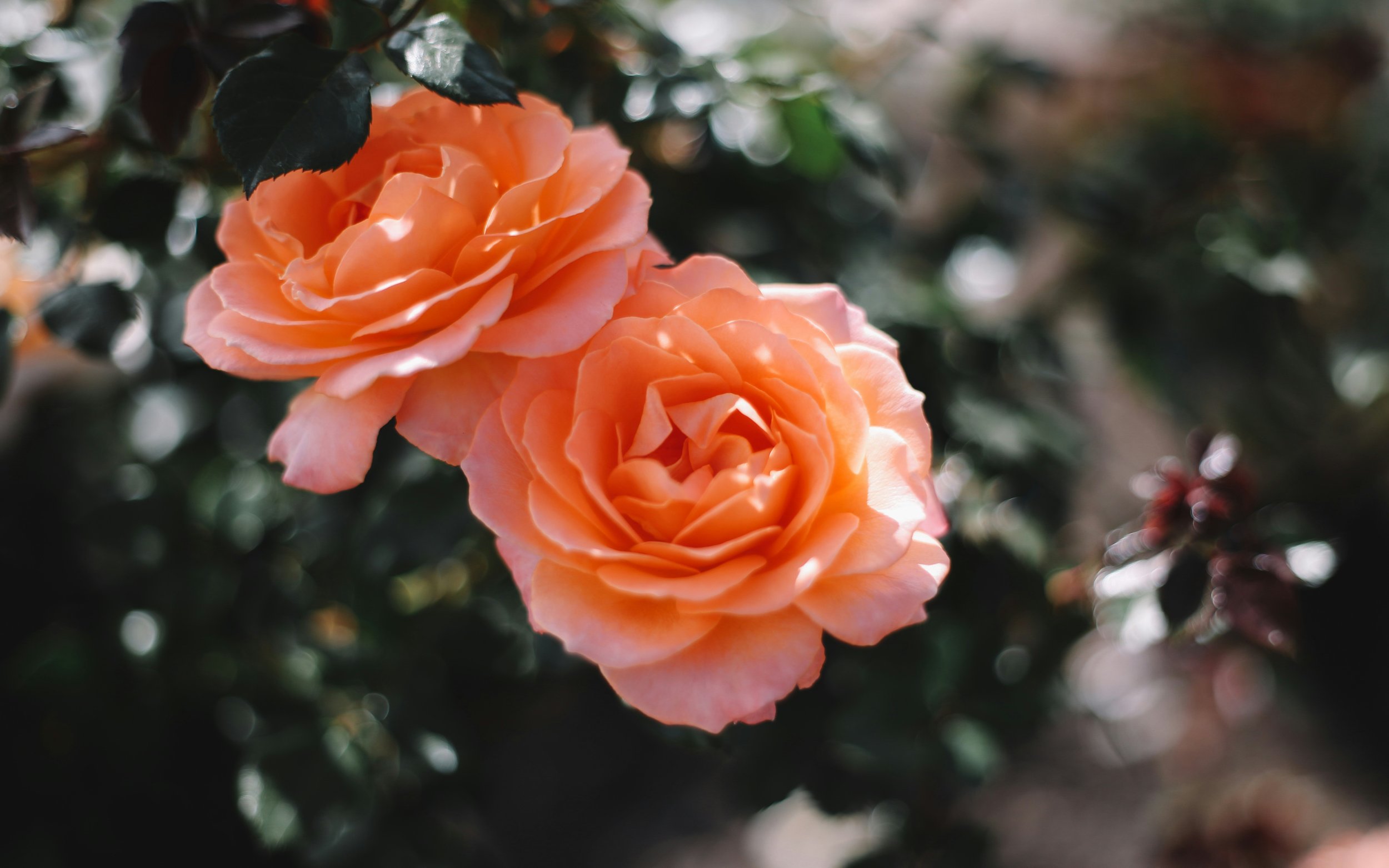
101 on Roses
There are thousands of rose varieties in the world, but these are our heroes.
We've curated the ones that matter most to florists: reliable, beautiful, and always in demand.
Spray
Multi‑headed rose with clusters of smaller blooms on each stem. Ideal for volume, mixed bouquets, and event work.

Hybrid Tea
Classic single-headed rose with long, sturdy stems and a high-centred bloom. The industry standard for bouquets, gifts, and focal arrangements.
Garden/English
Full, ruffled blooms with strong fragrance and a romantic, old‑world feel. Shorter vase life, but perfect for weddings. A common variety of garden rose is X-pression.
Freedom
Classic red hybrid tea with excellent vase life. The go‑to red rose for Valentine's Day, anniversaries, and high‑volume orders.
Grandiflora
Large blooms in clusters on tall, strong stems. A cross between hybrid tea and floribunda – bold and abundant.
Avalanche
White‑cream rose with a hint of pale green. One of the most popular wedding roses – elegant, classic, and reliable.
Local vs Imported -
What's the Difference?
We're lucky to have access to both locally grown and imported roses in Australia – and every imported stem has passed rigorous testing to meet our strict biosecurity laws.
What makes imported roses different?
1
Imported roses, primarily from South America are grown at high altitude with consistent equatorial daylight and volcanic soil. These conditions produce large blooms, thick stems, and a vase life of 10-14 days . They're bred for longevity and durability, not fragrance.
These conditions are hard to replicate anywhere else, and are near‑perfect growing conditions, which is why they offer consistency and longevity that's hard to match elsewhere.
What Makes Locally Grown roses Different?
2
Australian roses are grown closer to home, often with a focus on fragrance and garden‑style varieties. They're bred for scent and romance, with a shorter supply chain and lower transport emissions.
Which rose Should You Choose?
3
Choosing between imported and locally grown roses comes down to what matters most for your order. If you need maximum vase life and big blooms, imported roses last 10–14 days and make a statement.
For fragrance and romance, locally grown roses are the clear choice, but they often last a shorter time. If consistent year‑round supply is your priority, imported roses are available every week with the same quality.
For those wanting to support Australian growers, locally grown roses are fresher, seasonal, and fragrant. And for volume events, imported roses offer the reliability and consistency you need at scale.
Rose Sizes
What They Mean & How They're Measured.
When buying roses, you'll see two measurements: stem length and head size. At Hasfarm Market Direct, we use three size categories: Medium, Large, and Extra Large.
What Does Rose Stem Length Actually Mean?
Stem length is measured from the base of the stem to the neck of the flower head, in centimetres . It's more than just a measurement – it's a direct indicator of quality. Longer stems generally come from stronger, healthier plants and produce larger, more mature blooms .
At high altitude, roses grow more slowly, developing dense cell structures that result in thicker stems, bigger flowers, and better vase life . That's why premium imported roses often have longer, sturdier stems than standard grades.

What About Head Size?
Head size (or bud size) refers to the diameter of the rose bloom when fully open . It's a separate measurement from stem length, and it depends primarily on the variety and growing conditions . Roses grown at higher altitudes tend to produce larger heads because the slower growth gives the flower more time to develop.
What sizes are best for what occasions?
| Size | Stem Length | Head Size | Best For |
|---|---|---|---|
| Medium (M50) | |||
| Large (L60) | |||
| Extra Large (XL70+) |
Longer stems give you more design flexibility - you can always cut a stem down, but you can't stretch a short one.